

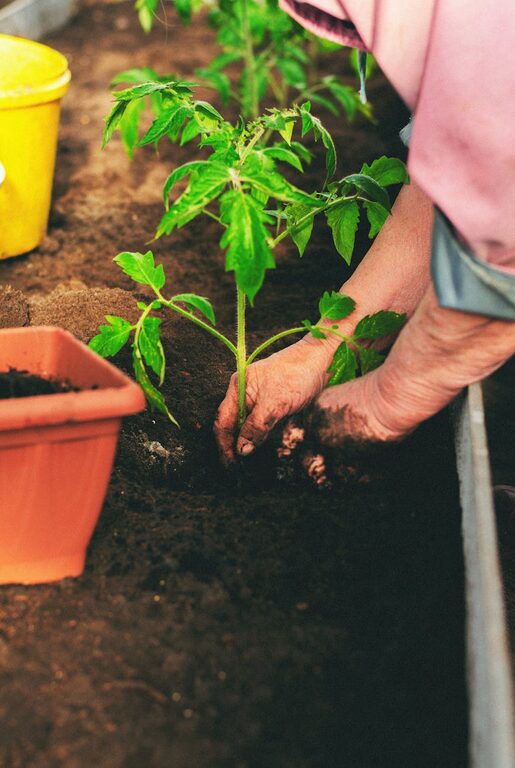
Creating a sustainable home garden is a rewarding way to connect with nature, grow your own food, and reduce your environmental impact. Whether you have a small balcony or a spacious backyard, you can design a garden that flourishes throughout the year. This guide shares helpful tips for maintaining a garden that is both eco-friendly and productive in every season.
Why Choose a Sustainable Garden?
Sustainable gardening focuses on practices that conserve resources, support biodiversity, and minimize waste. By adopting sustainable methods, you create a healthier environment for plants, pollinators, and yourself. It also reduces your reliance on synthetic chemicals and helps save water and energy.
Planning Your Garden for Year-Round Success
Before planting, thoughtful planning sets the foundation for a thriving sustainable garden.
Assess Your Space and Climate
– Sunlight: Observe how much sun your garden receives daily. Most edible plants need 6-8 hours of direct sunlight.
– Soil quality: Test your soil to determine its pH, texture, and fertility. Consider compost or natural amendments to improve it.
– Climate zone: Choose plants that are suited to your local weather patterns, including temperature and rainfall.
Choose Diverse, Native, and Edible Plants
– Native plants support local wildlife and often require less water and care.
– Incorporate a mix of vegetables, herbs, flowers, and shrubs to attract beneficial insects and ensure garden resilience.
– Rotate crops seasonally to maintain soil health and reduce pests.
Sustainable Gardening Practices
Implement eco-friendly techniques to nurture your garden throughout the year.
Composting and Soil Health
– Compost kitchen scraps, leaves, and garden waste to create nutrient-rich soil amendments.
– Use mulch to retain moisture, suppress weeds, and enhance soil fertility.
– Avoid chemical fertilizers by opting for organic compost or natural fertilizers like seaweed or manure.
Water Conservation Tips
– Collect rainwater in barrels to reduce your use of tap water.
– Water plants early in the morning or late in the evening to minimize evaporation.
– Use drip irrigation or soaker hoses for efficient watering at the roots.
Pest Management without Chemicals
– Encourage beneficial insects such as ladybugs, lacewings, and bees by planting flowers like marigolds and daisies.
– Use physical barriers like netting or row covers to protect plants.
– Practice companion planting to naturally repel pests (e.g., planting basil near tomatoes).
Keeping Your Garden Productive Year-Round
With careful attention, you can enjoy fresh produce and greenery in every season.
Spring and Summer Strategies
– Start seedlings indoors in early spring to get a head start.
– Plant fast-growing vegetables such as lettuce, radishes, and beans.
– Harvest regularly to encourage continuous growth.
Fall and Winter Gardening
– Use cold frames, cloches, or greenhouses to extend the growing season.
– Grow cold-hardy crops like kale, spinach, and carrots.
– Mulch heavily to protect roots from freezing temperatures.
Additional Tips for Sustainability
– Repurpose containers and materials for pots and garden beds.
– Save seeds from your plants to reduce dependence on buying new ones.
– Keep a garden journal to track what works well and when to plant or harvest.
Conclusion
Creating a sustainable home garden that thrives year-round is achievable with careful planning and mindful care. By choosing native plants, enriching your soil naturally, conserving water, and managing pests sustainably, you can enjoy a beautiful, productive garden all year long. Not only does this benefit your health and wallet, but it also supports the environment, one plant at a time.
Happy gardening!