

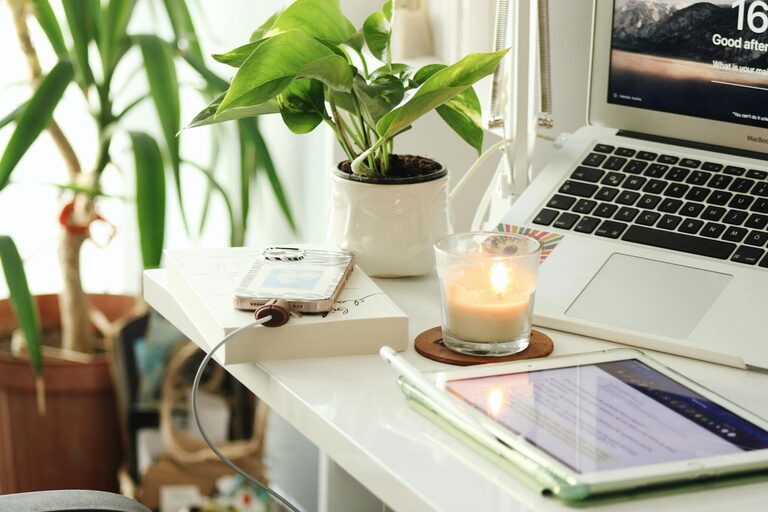
Creating a home office that is both cozy and productive can transform the way you work from home. A thoughtfully designed workspace not only enhances your focus but also makes your workday more enjoyable. Whether you have a dedicated room or a small corner, these practical tips will help you set up an inviting and efficient home office.
Choose the Right Location
Find a Quiet Spot
Select a part of your home that minimizes distractions. Ideally, choose a space away from heavy foot traffic, loud appliances, or noisy areas. If possible, use a separate room to create a clear boundary between work and personal life.
Consider Natural Light
Natural light can significantly improve mood and productivity. Position your desk near a window to take advantage of daylight, but avoid harsh glare. Use curtains or blinds to filter direct sunlight.
Invest in Comfortable Furniture
Ergonomic Chair
A supportive chair is essential for long hours of work. Look for an ergonomic design that supports your lower back and encourages good posture. Adjustable height, armrests, and lumbar support are important features.
Suitable Desk
Choose a desk that fits your space and meets your work needs. It should have enough surface area for your computer, documents, and other essentials. Standing desks or adjustable desks are great options for mixing sitting and standing.
Organize Your Workspace
Declutter Regularly
A clean desk helps clear your mind and improve concentration. Keep only daily essentials on your desktop and find a home for everything else.
Use Storage Solutions
Incorporate shelves, drawers, and organizers to store papers, supplies, and equipment neatly. Label boxes or files for easy access and better organization.
Create a Pleasant Atmosphere
Add Personal Touches
Include items that make you feel comfortable and inspired, such as artwork, plants, or family photos. Just be careful not to overcrowd your space.
Maintain a Comfortable Temperature
Keep your workspace well-ventilated and at a comfortable temperature. Use a fan or heater as needed to stay focused and comfortable.
Use Soothing Colors
Choose paint or decor colors that promote calmness and focus, like soft blues, greens, or neutrals. Avoid overly bright or distracting colors.
Optimize Lighting
Layer Your Lighting
Combine natural light with ambient lighting and task lighting. A desk lamp with adjustable brightness helps reduce eye strain during evening work sessions.
Avoid Glare and Shadows
Position lights and screens to prevent glare. Adjust blinds and screen brightness to reduce eye fatigue.
Minimize Distractions
Control Noise
Use noise-canceling headphones or white noise machines if external sounds are disruptive. Soft background music can also enhance concentration for some people.
Establish Boundaries
Communicate your work hours to family members or roommates to limit interruptions. Use signs or closed doors when you need focused time.
Incorporate Technology Wisely
Reliable Internet and Equipment
Ensure your internet connection is stable to avoid disruptions during virtual meetings or online tasks. Invest in quality hardware like a keyboard, mouse, and monitor for comfort and efficiency.
Cable Management
Use clips, ties, or cable boxes to keep cords organized and out of sight, reducing clutter and potential hazards.
Take Breaks and Stay Active
Schedule Regular Breaks
Incorporate short breaks to rest your eyes and stretch your muscles. This enhances productivity and reduces fatigue.
Movement-Friendly Setup
If possible, position your desk near a window or have space for quick stretches or simple exercises to rejuvenate your body during breaks.
—
Creating a cozy and productive home office doesn’t have to be complicated. By selecting the right location, investing in comfortable furniture, organizing efficiently, and personalizing your space, you can enjoy a work environment that supports your well-being and helps you accomplish your tasks with ease. Remember, the key is balance—a space that feels inviting yet functional will keep you motivated throughout your workday.