

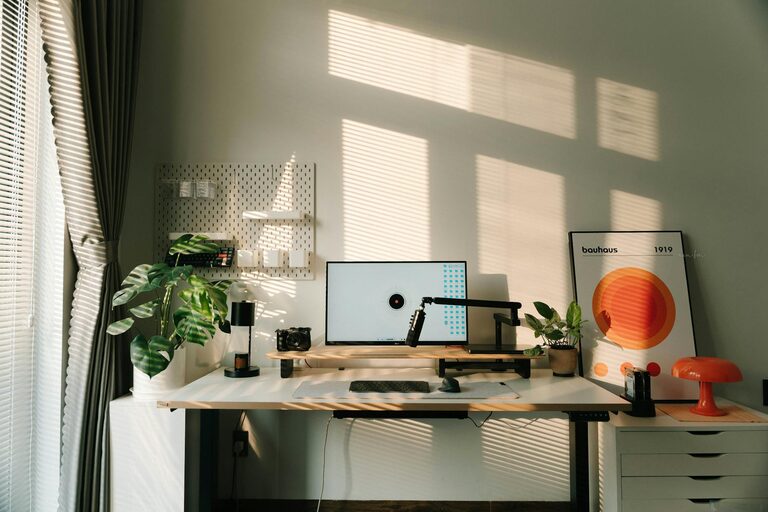
Creating a cozy and functional home office space can make all the difference when it comes to your productivity and overall well-being during work hours. Whether you work from home full-time or need a dedicated spot for occasional tasks, designing an office that suits your needs and style can help you feel motivated and focused. In this post, we’ll explore practical tips to help you craft an inviting workspace that’s both comfortable and efficient.
Choose the Right Location
The first step is selecting the best spot in your home for your office. Ideally, it should be a quiet area with minimal distractions and easy access to natural light. Some popular options include:
– A spare bedroom or guest room
– A corner in the living room or dining area
– A nook by a window
– Even a converted closet or under-stair space
Consider your daily routine and try to position your workspace where you can separate work from your personal life, helping maintain a healthy balance.
Invest in Ergonomic Furniture
Comfort is key for any home office since you’ll be spending hours sitting and working. Choose ergonomic furniture that supports good posture and reduces physical strain:
– Chair: Opt for an adjustable chair with good lumbar support.
– Desk: A desk at the right height can prevent neck and wrist strain. Adjustable desks that let you switch between sitting and standing are a great option.
– Accessories: Footrests, keyboard trays, and monitor stands can make a big difference in comfort.
Prioritize quality in these items to improve your focus and protect your health over time.
Maximize Natural Light and Supplement with Artificial Lighting
Natural light can boost your mood and productivity, so try to position your desk near a window if possible. However, depending on the time of day and location, daylight might not be enough or perfectly oriented. Supplement natural light with:
– A bright but soft overhead light for general illumination.
– Task lighting such as desk lamps to reduce eye strain.
– Adjustable lighting with dimmers or multiple light sources to create the desired ambiance.
Avoid harsh fluorescent lights or direct glare on your screens.
Organize with Smart Storage Solutions
Keeping your workspace tidy helps reduce distractions and frees up mental space. Use smart storage ideas to organize your home office:
– Shelves and bookcases for books, binders, and decor.
– Drawers or filing cabinets to store paperwork and supplies.
– Desk organizers for pens, notebooks, and gadgets.
– Cable management tools to keep wires neat and out of sight.
Label storage bins or folders to find what you need quickly.
Add Personal Touches for Comfort
To create a cozy atmosphere, personalize your office space with items that inspire and soothe you:
– Soft textiles like a rug, warm throw blanket, or cushions.
– Plants to add a touch of greenery and help purify the air.
– Artwork or photos that lift your spirits.
– A diffuser with calming essential oils or gentle background music.
These details make your office feel inviting and less like a sterile workspace.
Keep Technology User-Friendly and Clutter-Free
Make sure your technology setup supports your workflow smoothly:
– Use wireless peripherals like keyboards, mice, and printers to reduce clutter.
– Keep your computer and accessories clean and up to date.
– Invest in a high-quality headset or speakers for calls and video meetings.
– Organize charger stations and power strips in an accessible yet neat way.
Test your internet connection speed and consider upgrades if necessary for uninterrupted work.
Maintain Boundaries and Good Habits
Even the best home office won’t improve productivity without clear boundaries and routines:
– Set regular work hours and stick to them.
– Dress for work to create a professional mindset.
– Use “Do Not Disturb” signs or apps if needed to avoid interruptions.
– Take scheduled breaks to stretch and refresh your mind.
These habits help maintain focus and prevent burnout.
—
Creating a cozy and functional home office doesn’t require a huge budget or renovation. Thoughtful choices in location, furniture, lighting, and organization, along with personal touches and healthy routines, can transform any corner of your home into an efficient workspace you enjoy. Start with these tips and adjust your setup over time as your needs evolve, and you’ll find the perfect balance of comfort and productivity.